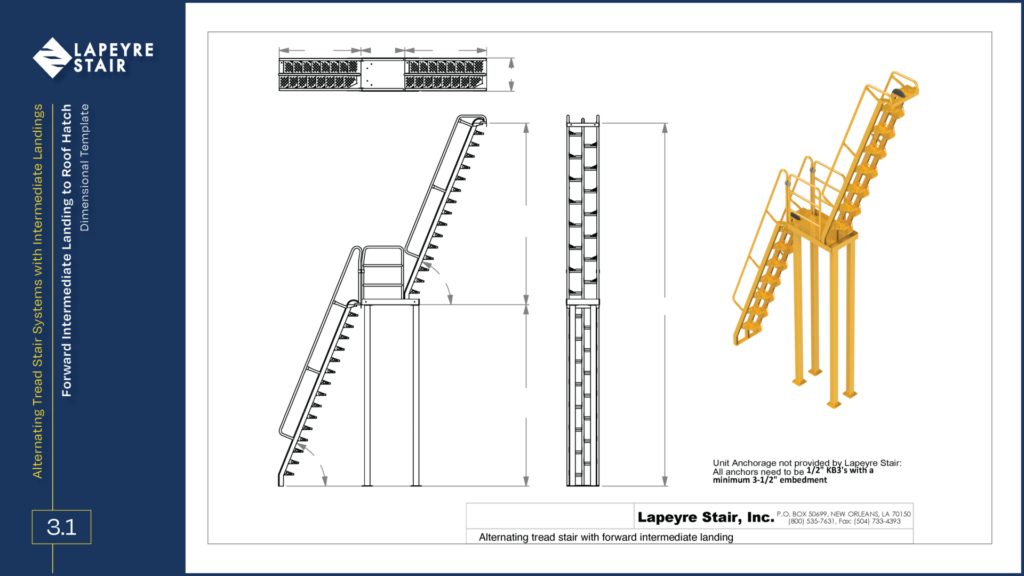
A stair tower is defined as vertical shaft or tower containing stairs. In ancient times, stair towers were often hidden behind thick walls. Later staircase towers became more visible, decorative and a symbol of status. With the advent of new staircase designs, such as straight stairs with landings, stair towers eventually became less common. However, stair towers are still used today in various environments for specific purposes. In this comprehensive guide, we’ll delve into the diverse usage and applications of stair towers across different sectors.
1. Industrial and Construction Sites
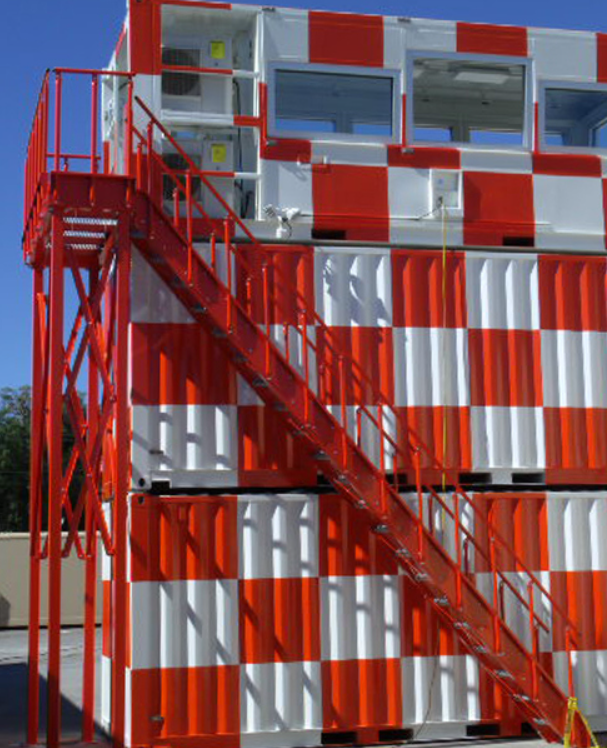
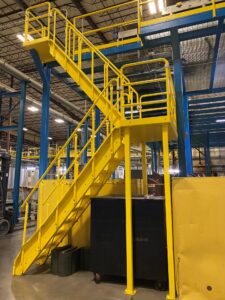
At industrial facilities and construction sites, stair towers serve the practical purpose of accessing elevated platforms, machinery, and storage areas. Industrial stair towers are often free-standing modular units used to access rooftops and structures that are not capable of support the weight of the stair system needed. Stair towers in these settings are typically rugged and durable, designed to withstand heavy use, harsh conditions, and exposure to environmental elements. They may feature non-slip treads, sturdy handrails, and other safety enhancements to protect workers from slips, trips, and falls. Stair towers in industrial and construction settings improve efficiency, productivity, and safety by providing convenient and secure access to elevated work areas.
2. Safety and Emergency Egress
In a variety of environments, stair towers are essential components of building safety and emergency egress systems. In the event of a fire, earthquake, or other emergency, stair towers provide designated escape routes for occupants to evacuate safely. Building codes and regulations require stair towers to meet specific standards for dimensions, materials, and accessibility to ensure swift and orderly evacuation during emergencies. Additionally, stair towers may be equipped with emergency lighting, signage, and other safety features to enhance visibility and egress in emergency situations. As such, these structures serve a critical function in safeguarding the lives and well-being of building occupants.
3. Vertical Access in Commercial Buildings
In commercial buildings such as office complexes, retail spaces, and hospitality venues, stair towers play a vital role in providing vertical access for occupants and visitors. They offer an alternative to elevators and escalators, allowing people to move between different levels quickly and efficiently. Stair towers in commercial buildings are often designed with accessibility and aesthetics in mind, featuring wide treads, comfortable handrails, and visually appealing finishes. These structures not only facilitate movement but can also contribute to the overall ambiance and design of the space.
4. Residential Applications
Stair towers in residential settings serve as both architectural features and functional elements. In apartment buildings and condominium complexes, stair towers allow residents to move between different levels of the building. Residential stair towers come in various designs, from traditional straight flights to modern spiral or helical configurations, reflecting the architectural style of the builder. Additionally, stair towers in residential settings may incorporate storage spaces, alcoves, or other design elements to maximize functionality and space utilization.
5. Public Spaces and Landmarks
Stair towers can be found in public spaces and parks. They often provide access to architectural landmarks, such as lighthouses and bell towers. In these cases, stair towers provide access to panoramic views of the surrounding area. Stair towers in public spaces are designed to accommodate large volumes of visitors while ensuring safety, accessibility, and visual appeal. These structures offer unique vantage points and experiences, inviting people to climb, explore, and enjoy breathtaking views from elevated heights.
6. Temporary and Event Structures
Stair towers are also used as temporary structures at event venues such as festivals, concerts, and outdoor gatherings. Temporary stair towers provide access to elevated stages, seating areas, and viewing platforms, allowing event organizers to accommodate large crowds and ensure safety and accessibility for attendees. These structures are designed for quick assembly, disassembly, and transportation, making them ideal for temporary venues where flexibility and mobility are essential. Temporary stair towers enhance the overall experience for event participants by providing convenient and secure access to elevated areas.
Conclusion
From industrial facilities to public spaces, stair towers play diverse roles in enhancing accessibility, safety, and architectural design. These structures primarily serve practical purposes such as vertical access and emergency egress. However, they can also contribute to the aesthetic appeal and ambiance of the building environment.