
Ladders are essential tools for countless tasks, from changing light bulbs to painting walls and accessing high shelves. However, ladder-related accidents are alarmingly common, with falls being a leading cause of injury and death in both residential and occupational settings. To mitigate these risks and ensure safe ladder use, it’s crucial to understand and implement key safety factors. Here are the top 10 leading ladder safety factors you need to consider.
1. Choose the Right Ladder for the Job
The first step in ladder safety is selecting the appropriate ladder for the task at hand. Different tasks require different types of ladders—step ladders, extension ladders, and multi-position ladders each have specific uses. For instance:
- Step Ladders: Ideal for tasks that require stability on flat surfaces, such as painting or reaching high shelves.
- Extension Ladders: Best for reaching greater heights and are adjustable to various lengths.
- Multi-Position Ladders: Versatile and can be configured in multiple ways, useful for tasks that require flexibility.
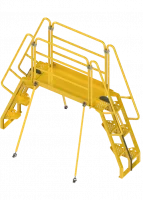
- Alternating Tread Stairs: Increase safety and stability while increasing workplace efficiencies.
Ensure that the ladder you choose can handle the weight of the user and the tools or materials they might be carrying. Always check the ladder’s weight capacity and choose one that meets or exceeds the requirements of your job.
2. Inspect the Ladder Before Use
Before using any ladder, conduct a thorough inspection to ensure it’s in safe working condition. Look for signs of wear and tear, such as:
- Cracks or Splits: In wooden ladders, these can compromise structural integrity.
- Bent Rungs or Side Rails: In metal ladders, these can indicate potential weakness.
- Loose or Missing Hardware: Ensure bolts, hinges, and other components are secure.
If you notice any defects, repair or replace the ladder before use. Never use a damaged ladder, as it poses significant risks.
3. Set Up the Ladder Correctly
Proper ladder setup is crucial for stability and safety. Follow these guidelines:
- Positioning: Place the ladder on a stable, level surface. Avoid setting it up on uneven ground or slippery surfaces.
- Angle: For extension ladders, use the 4-to-1 rule—position the base of the ladder one foot away from the wall for every four feet of ladder height. This ensures the ladder is at the correct angle.
- Footing: Ensure the ladder’s feet are fully in contact with the ground. If necessary, use ladder levelers or platforms to stabilize the ladder on uneven surfaces.
4. Maintain Three Points of Contact
When climbing or descending a ladder, always maintain three points of contact. This means keeping two hands and one foot, or two feet and one hand, on the ladder at all times. This practice provides maximum stability and reduces the risk of falling.
- Use Both Hands: Keep both hands free from tools or materials while climbing. Use a tool belt or hoist materials up separately.
- Proper Footwear: Wear non-slip shoes or boots to enhance grip and prevent slipping.
5. Do Not Overreach
Overreaching can destabilize the ladder and increase the risk of a fall. When working on a ladder, always keep your body centered between the side rails. If you need to reach beyond this area, descend the ladder and reposition it closer to the work area. This minimizes the risk of losing balance and falling.
6. Avoid Working in Adverse Conditions
Weather conditions and environmental factors can significantly affect ladder safety. Avoid using ladders in the following conditions:
- High Winds: Strong winds can make it difficult to maintain balance and stability.
- Rain or Snow: Wet or icy conditions can make ladder surfaces slippery, increasing the risk of falls.
- Electrical Hazards: Keep ladders away from power lines and electrical sources to prevent accidental electrocution.
If you must work in less-than-ideal conditions, take extra precautions, such as using a ladder with slip-resistant feet and securing the ladder with additional support.
7. Ensure Proper Ladder Maintenance
Regular maintenance is essential to ensure that ladders remain safe to use. Follow these maintenance practices:
- Clean Ladders: Remove any dirt, grease, or debris from ladder rungs and surfaces.
- Lubricate Moving Parts: For ladders with hinges or extension mechanisms, apply lubrication as needed to ensure smooth operation.
- Store Properly: Store ladders in a dry, safe place to prevent damage. Avoid leaving them exposed to the elements, which can cause deterioration over time.
8. Follow Manufacturer’s Instructions
Always adhere to the manufacturer’s guidelines for ladder use and maintenance. These instructions provide specific recommendations for the safe operation of the ladder, including weight limits, proper usage techniques, and maintenance requirements. Familiarize yourself with these guidelines before using the ladder.
9. Train Users on Safe Practices
If ladders are used in a workplace setting, ensure that all users are trained in ladder safety practices. Training should cover:
- Proper Ladder Setup: Demonstrate how to set up and secure ladders correctly.
- Safe Climbing Techniques: Teach users how to climb and descend safely, including maintaining three points of contact.
- Emergency Procedures: Educate users on what to do in case of an accident or fall.
Regular refresher courses can help reinforce safety practices and reduce the risk of accidents.
10. Use Safety Equipment
In certain situations, additional safety equipment can enhance ladder safety. Consider using:
- Fall Protection: For work at significant heights, use harnesses and safety lines to prevent falls.
- Ladder Stabilizers: Attach stabilizers or extensions to increase ladder stability and prevent side-to-side movement.
- Tool Belts: Use tool belts to keep hands free while climbing and to avoid carrying tools in pockets.
While safety equipment can add an extra layer of protection, it should not replace proper ladder use and maintenance.
11. Consider an Alternative Access Solution
In many situations, alternating tread stairs can mitigate fixed vertical, caged, and ships ladder hazards.
Conclusion
Ladder safety is a critical aspect of preventing accidents and injuries, whether you’re using a ladder at home or in a professional setting. By choosing the right ladder, inspecting it before use, setting it up correctly, maintaining three points of contact, and adhering to other safety factors, you can significantly reduce the risk of falls and ensure a safer working environment. Remember that ladder safety is not just about following rules—it’s about cultivating a mindset of caution and preparedness every time you climb. Stay safe and work smart!