Mezzanine floors are versatile additions to any space, offering extra square footage and optimizing vertical space. Whether in industrial warehouses or commercial buildings, mezzanines provide functional solutions for various needs. However, integrating stairs into mezzanine structures requires careful consideration of safety regulations and building codes to ensure compliance and mitigate risks. In this Q&A guide, we delve into the essential mezzanine stair regulations and requirements to help you navigate this crucial aspect of construction and design.
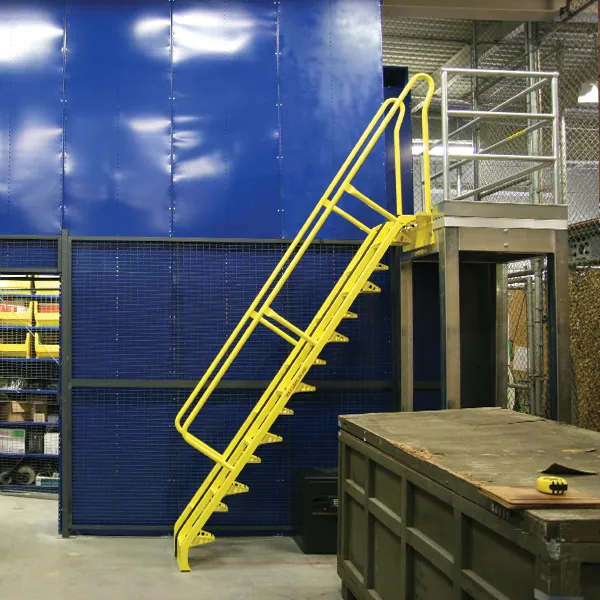
1. What are Mezzanine Stairs?
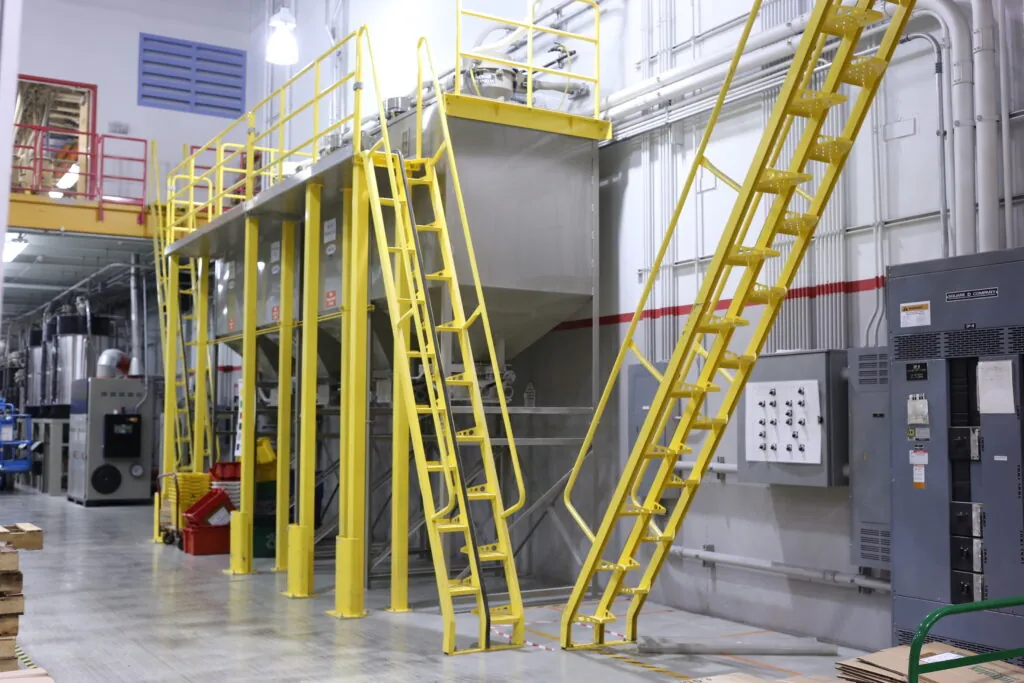
Mezzanine stairs are the means of access and egress between the ground level and the elevated platform of a mezzanine floor. These stairways serve as critical components in ensuring safe and efficient movement between different levels of a space.
2. What Regulations Govern Mezzanine Stair Design?
Several regulations and standards dictate the design and construction of mezzanine stairs. These typically include local building codes, fire safety regulations, and standards set by industry organizations. For example, the Occupational Safety and Health Administration (OSHA) issues regulations for stairs in most industrial environments. The International Building Code (IBC) is used to govern stair requirements in commercial buildings.
3. What Are Some Key Considerations When Designing Mezzanine Stairs?
When designing mezzanine stairs, several factors must be taken into account:
- Building Codes: Compliance with local building codes is paramount. These codes dictate parameters such as stair dimensions, riser height, tread depth, handrail height, and more.
- Occupancy Load: Stairs must be designed to accommodate the anticipated occupancy load to ensure they can safely support the expected number of users at any given time.
- Fire Safety: Mezzanine stairs must facilitate safe evacuation in the event of a fire or emergency. Design factors related to safety include the location of stairwells, use of fire-rated materials, and adequate clearances.
- Aesthetics and Space Constraints: Even when prioritizing safety and functionality, mezzanine stairs should also be designed to complement the aesthetic of the space and take into account any space constraints or architectural considerations.
4. What are Some Common Mezzanine Stair Design Requirements?
Common mezzanine stair design requirements include:
- Stair Dimensions: Mezzanine stair dimensions, including tread depth and riser height, must adhere to specified standards to ensure comfortable and safe use.
- Handrails: Handrails are typically required on both sides of the stairway and must meet specific height requirements for user safety.
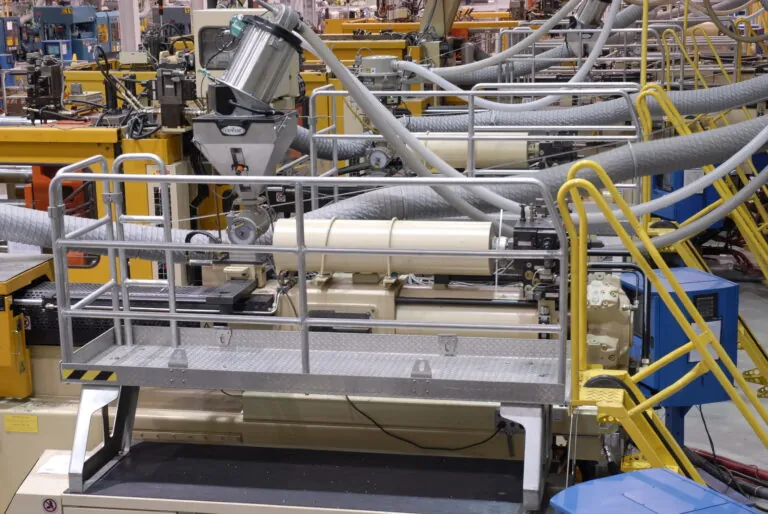
- Guardrails: Guardrails are necessary to prevent falls from the open sides of stairs and mezzanine platforms. These must meet height and strength requirements to provide adequate protection.
- Headroom Clearance: Adequate headroom clearance must be maintained throughout the mezzanine stairwell to prevent injuries.
- Non-Slip Surfaces: Stairs should feature non-slip surfaces to reduce the risk of slips and falls, especially in high-traffic areas.
- Lighting: Proper lighting is essential for visibility and safety. Mezzanine stairs should be well-lit, with lighting fixtures positioned to eliminate shadows and glare.
5. How Do I Ensure Compliance with Mezzanine Stair Regulations?
To ensure compliance with mezzanine stair regulations, it’s crucial to:
- Consult Local Building Codes: Familiarize yourself with the specific building codes and regulations applicable to mezzanine stairs in your location.
- Work with Professionals: Engage architects, engineers, and contractors with experience in mezzanine design and construction to ensure compliance with regulations and best practices.
- Perform Regular Inspections: Conduct regular inspections of mezzanine stairs to identify any issues or deficiencies and develop a plan to address them promptly.
- Stay Informed: Stay updated on changes to building codes and regulations to ensure ongoing compliance with evolving standards.
6. Are There Any Special Considerations for Industrial or Commercial Spaces?
Industrial and commercial spaces may have additional considerations for mezzanine stair design, including:
- Heavy-Duty Construction: Mezzanine stairs in industrial settings may require heavier-duty construction to withstand higher loads and greater wear and tear.
- Safety Signage: Clear and prominent signage indicating stair locations, directions, and safety instructions can enhance safety awareness in industrial environments.
- Emergency Response Planning: Industrial and commercial facilities should have robust emergency response plans in place, including evacuation procedures that consider the layout of mezzanine stairs and other access points.
7. Can Mezzanine Stairs Be Customized for Specific Requirements?
Yes, mezzanine stairs can be customized to meet specific requirements based on factors such as space constraints, aesthetic preferences, and functional needs. However, custom designs must still adhere to applicable regulations and standards to ensure safety and compliance.
Conclusion
Mezzanine stairs play a crucial role in providing safe and efficient access to elevated platforms in various settings. Understanding and adhering to mezzanine stair regulations and requirements are essential for ensuring compliance, mitigating risks, and creating functional and secure spaces. By considering factors such as building codes, occupancy load, accessibility, and fire safety, stakeholders can design and construct mezzanine stairs that prioritize safety while meeting the unique needs of their projects.