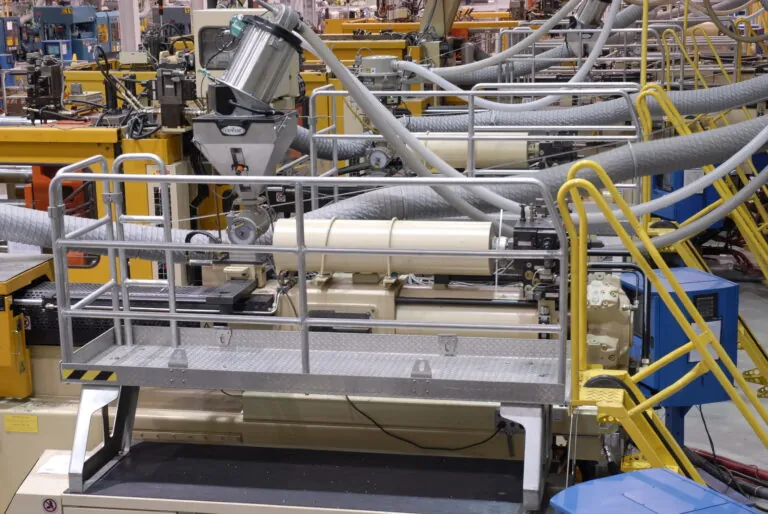
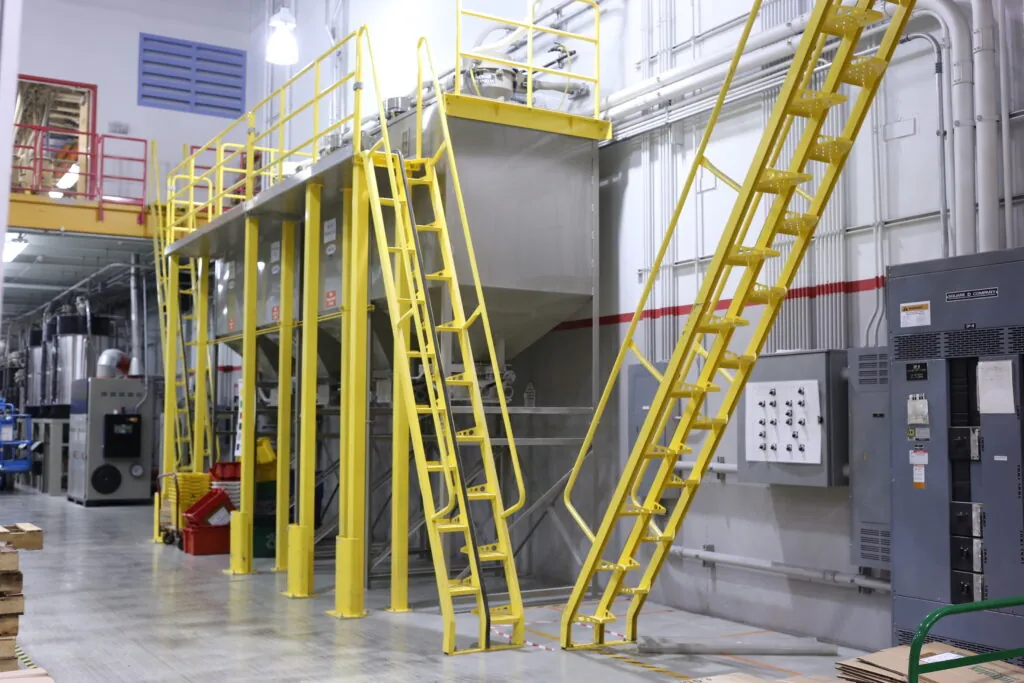
Mezzanine floors are fantastic space-saving solutions, providing additional square footage in various settings, from warehouses to retail spaces. However, integrating stairs into mezzanine structures requires careful navigation of regulatory requirements to ensure safety and compliance. Understanding and adhering to mezzanine stair regulations is crucial for architects, engineers, contractors, and property owners alike. In this blog post, we offer key recommendations to help navigate mezzanine stairs regulations effectively, ensuring the creation of safe and compliant spaces.
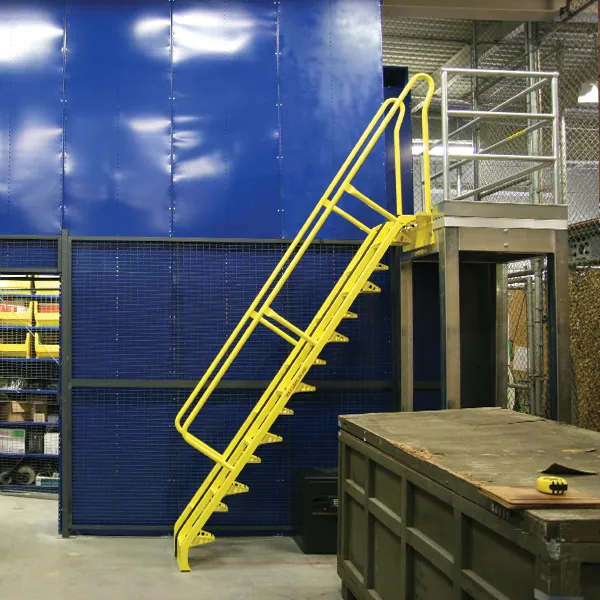
1. Familiarize Yourself with Building Codes and Regulations:
The first step in navigating mezzanine stairs regulations is to familiarize yourself with local building codes and regulations. Building codes dictate stair dimensions, handrail specifications, headroom clearance, and more. These codes vary by region and may be subject to updates and revisions. Therefore, staying informed and consulting the latest versions of relevant codes is essential to ensure compliance.
2. Engage Professionals with Expertise in Mezzanine Design:
Navigating mezzanine stairs regulations can be complex, requiring expertise in structural engineering, architecture, and building codes. Engage professionals with experience in mezzanine design to ensure compliance with regulations and best practices. Architects, engineers, and contractors familiar with mezzanine construction can provide valuable insights and guidance throughout the design and construction process, helping you navigate regulatory requirements effectively.
3. Prioritize Safety in Design and Construction:
Safety should be a top priority when designing and constructing mezzanine stairs. Ensure that stairs are designed to withstand anticipated loads and usage patterns, with appropriate materials and construction methods. Consider factors such as slip resistance, visibility, and accessibility to enhance safety for users. Incorporating features such as handrails, guardrails, and non-slip surfaces is essential for preventing accidents and injuries.
4. Conduct Regular Inspections and Maintenance:
Regular inspections and maintenance are essential for ensuring the ongoing safety and compliance of mezzanine stairs. Inspect stairs regularly for signs of wear, damage, or non-compliance with regulations. Address any issues promptly to prevent safety hazards and ensure continued compliance with building codes. Implement a maintenance schedule that includes tasks such as cleaning, repair, and replacement of worn components to keep mezzanine stairs in optimal condition.
5. Stay Updated on Regulatory Changes:
Building codes and regulations governing mezzanine stairs may undergo updates and revisions over time. Stay informed about any changes to relevant regulations and standards to ensure ongoing compliance. Subscribe to newsletters, attend seminars, and consult industry publications to stay updated on the latest developments in mezzanine construction regulations. Being proactive about staying informed can help you navigate regulatory changes effectively and avoid potential compliance issues.
6. Collaborate with Regulatory Authorities and Inspectors:
Collaboration with regulatory authorities and building inspectors can result in valuable guidance and insight into mezzanine stairs regulations. Establish open communication channels with local building departments and regulatory agencies to seek clarification on regulatory requirements and address any compliance concerns. Building inspectors can offer feedback and recommendations during the inspection process, helping you identify and rectify any non-compliance issues promptly.
Conclusion:
Navigating mezzanine stairs regulations requires careful attention to detail, expertise in mezzanine design, and a commitment to safety and compliance. By familiarizing yourself with building codes, engaging professionals with expertise in mezzanine construction, prioritizing safety, conducting regular inspections, staying updated on regulatory changes, and collaborating with regulatory authorities, you can navigate mezzanine stair regulations effectively. By following these key recommendations, you can ensure the creation of safe, compliant, and functional mezzanine spaces that meet the needs of users while adhering to regulatory requirements.