
Safer Access Design, Ladder Fall Protection Alternatives, OSHA Fall Protection Access
Fall Protection Systems
Fall protection is one of the most critical, and most misunderstood, aspects of industrial safety. In many facilities, it’s treated as an add-on: a system installed after access challenges already exist. Guardrails, harnesses, and ladder cages are layered onto environments that were never designed with safe movement in mind.
But true fall protection goes beyond equipment. It starts with how people access elevated spaces in the first place.
Understanding Fall Protection
Fall protection sits at the heart of every elevated workspace. This includes traditional solutions such as guardrails, personal fall arrest systems, and ladder safety devices, as well as engineered access systems that improve stability and control.
However, not all fall protection strategies are equal. Some are designed to stop a fall after it happens, while others are designed to reduce the likelihood of a fall occurring at all. Understanding that distinction is essential when evaluating safety across your facility.
Design-First Safety
A design-first approach to fall protection shifts the focus from reaction to prevention. Instead of asking, “How do we protect workers if they fall?” the better question is, “How do we design access so a fall is far less likely to happen?”
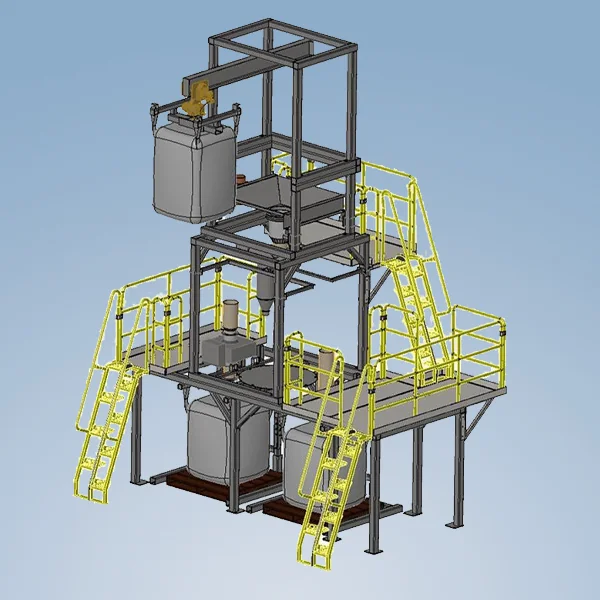
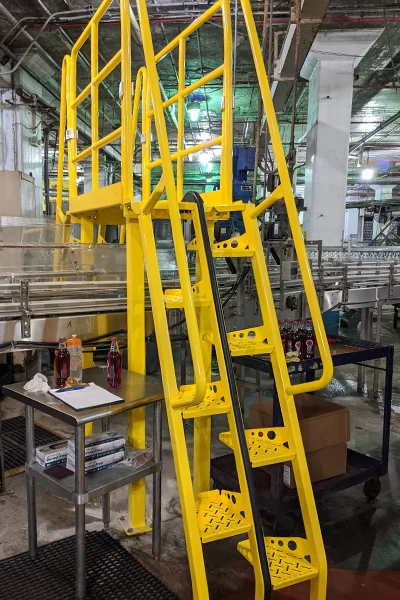
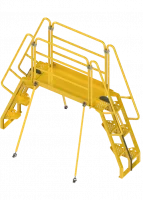
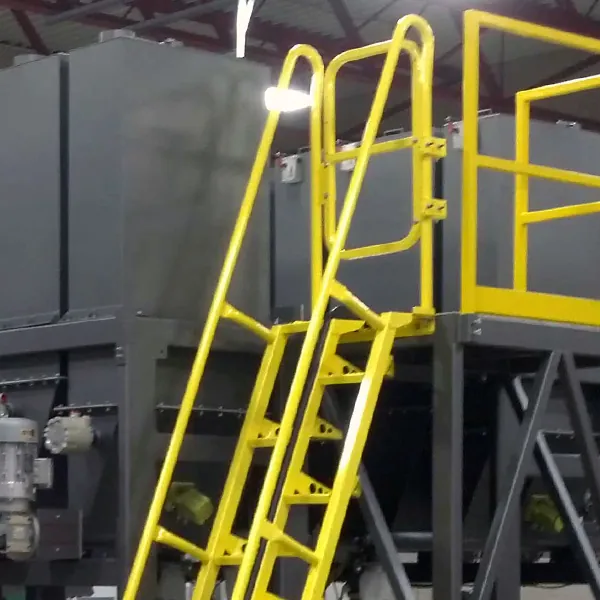
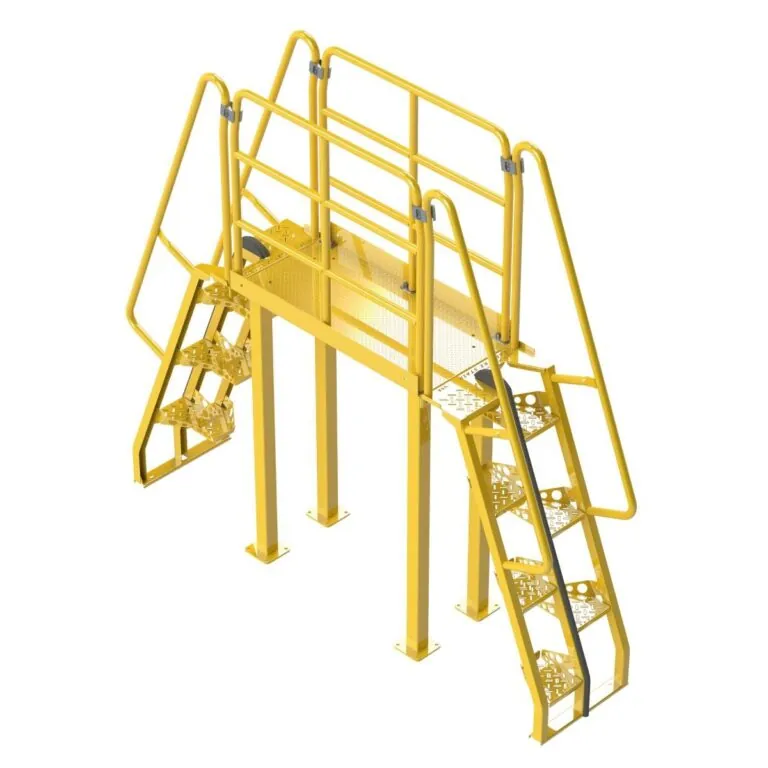
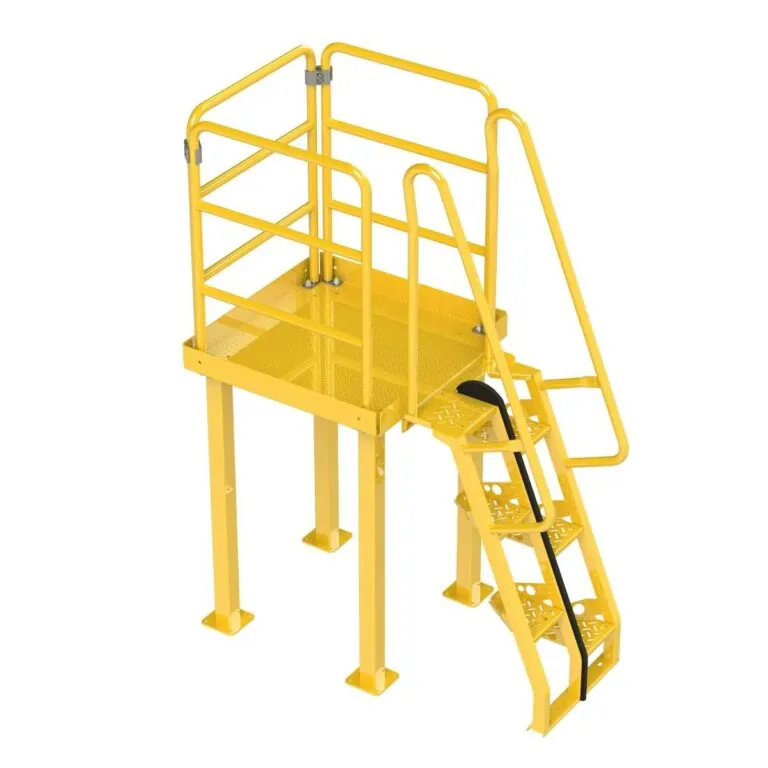
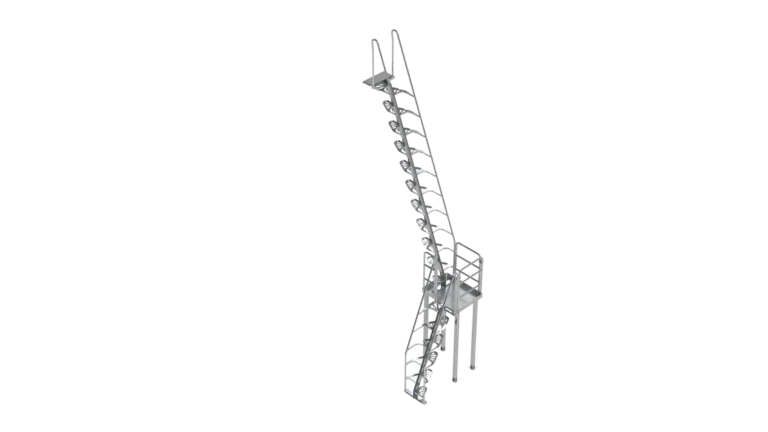
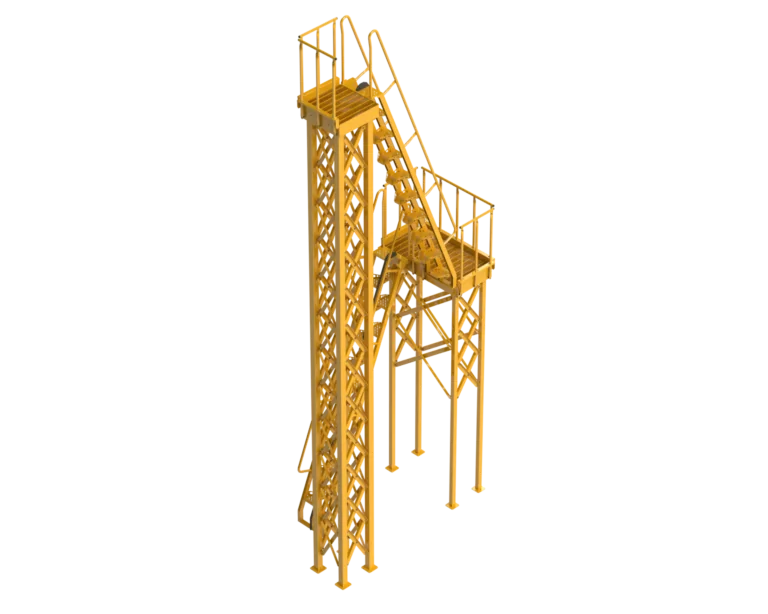
Alternating-tread-stair-equipped work platforms and crossover systems play a critical role by improving footing, balance, and user confidence during ascent and descent.
The result is a safer, more intuitive work environment — one where fall protection is built into the design, not added as an afterthought.
Vertical ladders increase fall risk due to limited stability, restricted movement, and reliance on user strength.
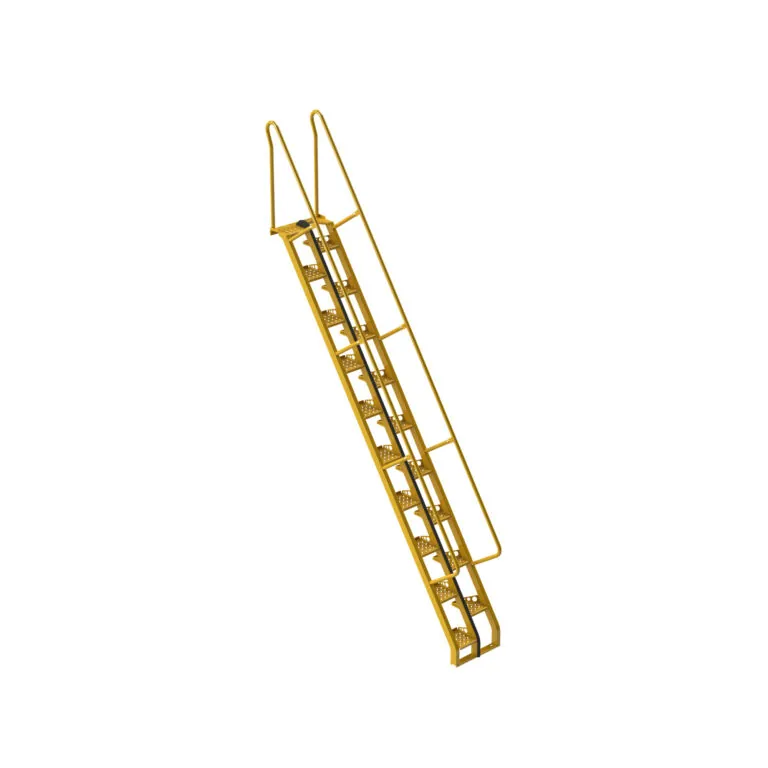
Alternating tread stairs are designed to improve stability, control, and user confidence.
Different fall protection systems serve different purposes, but alternating tread stairs actively reduce the likelihood of a fall, it's in their design.
The safest solution depends on the specific application, and our custom OEM-partnered solutions ensure the right design.
Lapeyre Stair's industry knowledge ensures fall protection solutions are practical, compliant, and effective in real conditions.
Our understanding of OSHA and IBC codes helps ensure your access systems are both compliant and safer to use.
Safety Gate Solutions for Any Application
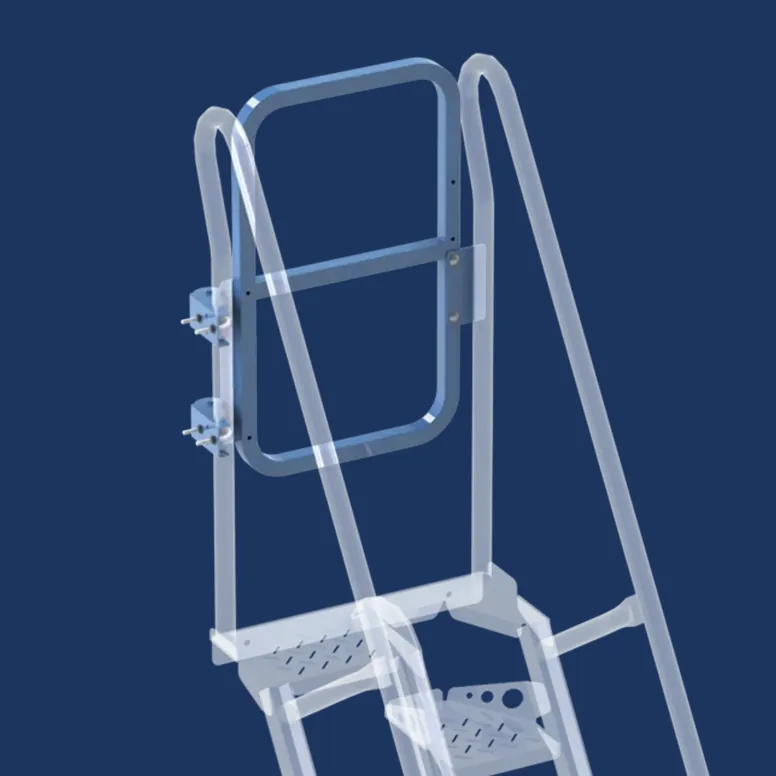
Fixed safety gates attach to alternating tread stair handrails or the platform rails of our space-saving crossover stairs.
Adjustable safety gates make it easy to protect your team from the dangers of an elevated guardrail opening.
Alternating Tread Stairs and Systems support 1,000 lbs of load, and can be fabricated and shipped in under 10 days.
What OSHA Says
OSHA allows alternating tread stairs as a compliant means of access in specific conditions and emphasizes that fall protection should prioritize safe access design, not just fall arrest systems.
Alternating Tread stairs are not a ladder
- OSHA treats alternating tread stairs as a type of stairway, not a fixed ladder and are considered safer and more ergonomic than vertical ladders.
Requirements
- Consistent tread design ✅
- Adequate width and angle ✅
- Slip-resistant surfaces ✅
- Proper handrails ✅
About Fall Safety Systems
In many industrial environments, fall protection is treated as a secondary layer — added after access challenges already exist. Guardrails, harnesses, and cages are often used to compensate for inherently risky pathways like vertical ladders. But when safety is considered upfront, many of these risks can be reduced or eliminated entirely.
Defining Fall Protection
Fall protection is commonly associated with guardrails, harnesses, and ladder safety systems, all designed to reduce injury after a fall begins. But it also includes structural and engineered solutions that improve how workers move through elevated spaces. The most effective strategies consider both prevention and protection as part of a complete safety approach.
Design for Fall Prevention, Not Just Protection
Traditional fall protection asks how to protect workers if they fall, but design-first safety asks how to make falls less likely in the first place. Engineered access systems like alternating tread stairs provide better footing, balance, and control compared to vertical ladders. By improving how workers interact with elevated environments, these solutions reduce reliance on reactive safety systems.
Why Vertical Ladders Create Risk
Climbing a vertical ladder requires sustained upper body effort, precise footing, and constant focus — often while carrying tools or working in less-than-ideal conditions. Even with cages or fall arrest systems, the fundamental challenge of vertical movement remains unchanged. Over time, fatigue, weather exposure, and repeated use increase the likelihood of slips, missteps, and serious incidents.
The Safer Alternative
Unlike vertical ladders, alternating tread stairs allow for a more ergonomic ascent and descent, improving balance and reducing physical strain. Users maintain a more stable posture, with consistent footing and better visibility throughout the climb. This results in safer, faster access — especially in environments where frequent use is required.
Comparing Fall Protection Approaches
Traditional systems like cages and harnesses are designed to arrest or contain a fall after it occurs. Guardrails provide passive protection but are limited to specific areas. Engineered access solutions, such as alternating tread stairs and platforms, address the root cause by improving how workers move and interact with elevated spaces.
Designed Around Real-World Applications
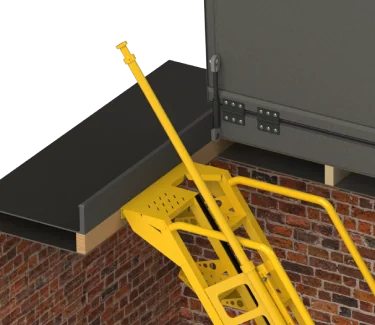
Access requirements vary widely — from roof hatches and mezzanines to equipment platforms and conveyor crossovers. Each scenario presents unique challenges related to space constraints, traffic patterns, and operational demands. Designing with these factors in mind ensures the solution not only meets safety standards but also improves day-to-day usability.
Built on Industry Experience
Different industries — from manufacturing and food processing to energy and data centers — have distinct safety requirements and operational constraints. Experience across these sectors allows for smarter design decisions that align with both safety goals and workflow efficiency. The result is a solution that works in practice, not just on paper.
Meeting OSHA and Code Requirements
Regulations such as OSHA and IBC establish minimum requirements for fall protection and access systems. While compliance is critical, it does not always guarantee optimal safety or usability. By going beyond minimum standards and prioritizing better design, facilities can achieve both compliance and a higher level of protection.
Don't Just Take Our Word for It
Our standard product designs incorporate interchangeable components that are pre-engineered to comply with applicable codes and standards.
Testimonials
Fall Protection Resources
Case Studies