Stair towers facilitate vertical movement between different levels of buildings and structures in many environments. Safety standards and regulations take on heightened importance with exterior steel stair towers due to exposure to environmental elements and potential hazards. In this comprehensive guide, we’ll delve into the safety standards and regulations governing exterior steel stair towers. These standards ensure that stair towers provide safe, reliable access while standing up to the rigors of outdoor environments.
Understanding the Importance of Safety Standards
Safety standards and regulations for exterior steel stair towers are designed to protect the health and well-being of the user. These standards focus on stair tower design, construction, and maintenance to ensure stair towers meet minimum safety requirements and withstand environmental stresses. By adhering to safety standards, architects, engineers, and builders can create exterior steel stair towers that offer safe efficient vertical access in outdoor environments.
OSHA Regulations for Exterior Stair Towers
The Occupational Safety and Health Administration (OSHA) is a federal agency responsible for ensuring safe working conditions in the United States. While OSHA does not have specific regulations solely dedicated to exterior steel stair towers, its general standards for walking-working surfaces (29 CFR 1910 Subpart D) apply to outdoor stairways, ramps, and other means of vertical access. Key OSHA regulations relevant to exterior steel stair towers include:
General Requirements
Exterior steel stair towers must be designed, constructed, and maintained to support their intended loads safely. They should be free from defects and hazards that could pose a risk to building occupants and visitors.
Slip Resistance
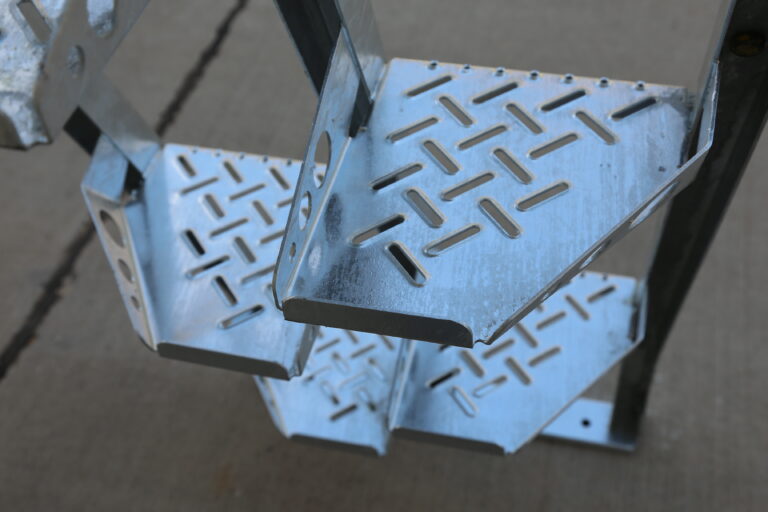
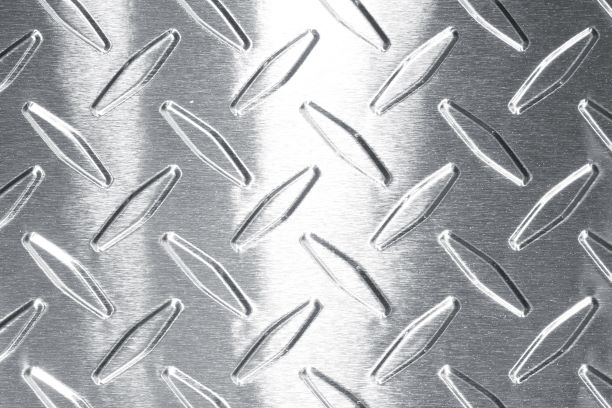
Stair treads and landings should provide adequate slip resistance to minimize the risk of slips and falls, especially in wet or icy conditions. OSHA may require the use of non-slip materials or treatments to enhance traction on outdoor stair towers.
Handrails and Guardrails
Exterior steel stair towers with four or more risers must be equipped with handrails on at least one side to provide support and stability for users. Additionally, guardrails are required along open sides of stairways and platforms to prevent falls from elevated surfaces.
Visibility and Lighting
Adequate lighting should be provided to ensure clear visibility for use of outdoor stair towers, especially during low-light or nighttime conditions. Illumination levels should be sufficient to highlight any potential hazards and prevent accidents resulting from poor visibility.
International Building Code (IBC) Requirements
The International Building Code (IBC) is a model building code widely adopted in the United States and other countries. The IBC sets forth comprehensive requirements for commercial building design and construction, including those related to exterior steel stair towers. Key IBC requirements for exterior stair towers include:
Egress Requirements
Exterior steel stair towers must provide safe and accessible means of egress for building occupants and visitors. The IBC outlines criteria for stair design, including width, headroom clearance, and handrail specifications, to ensure efficient evacuation and egress.
Structural Integrity
Exterior steel stair towers must be structurally sound and capable of withstanding environmental loads such as wind, snow, and seismic forces. The IBC specifies requirements for materials, construction methods, and load capacities to ensure durability and stability.
Corrosion Protection
Steel components of exterior stair towers should be protected against corrosion to prevent degradation and ensure long-term performance. The IBC may require the use of corrosion-resistant coatings, galvanization, or stainless steel materials for outdoor applications.
Fire Safety
Exterior steel stair towers may be subject to fire safety regulations outlined in the IBC, such as requirements for fire-rated construction materials and provisions for fire suppression systems in high-risk areas.
Additional Considerations for Exterior Steel Stair Tower Safety
In addition to regulatory requirements, there are several additional considerations for ensuring the safety of exterior steel stair towers:
Weather Resistance
Exterior steel stair towers should be designed and constructed to withstand exposure to environmental elements such as rain, snow, wind, and temperature fluctuations. Materials, coatings, and finishes should be selected for their weather resistance and durability in outdoor conditions.
Maintenance
Proper maintenance of exterior steel stair towers is essential to ensure they are safe and structurally sound. This includes regular inspections, cleaning, repair, and corrosion protection measures to prevent deterioration and ensure compliance with safety standards.
Conclusion
Industry standards and regulations ensure the safety and integrity of exterior steel stair towers in outdoor environments. By adhering to OSHA and IBC standards, stakeholders can create exterior steel stair towers that provide safe, reliable access while standing up to the rigors of outdoor conditions.
Additionally, regular inspections and maintenance are essential components of a comprehensive exterior steel stair tower safety program. By prioritizing safety and compliance, architects, engineers, and builders can create exterior steel stair towers to allow users to move easily between different levels or a building or structure.