When it comes to industrial stair design, choosing the right materials is crucial for ensuring durability, safety, and performance. With a wide array of options available, from traditional steel to aluminum, selecting the optimal material can be a daunting task. To shed light on this topic, we’ve compiled a comprehensive guide to the top industrial stair materials. In this Q&A, we’ll explore the characteristics, advantages, and applications of various stair materials to help you make informed decisions for your industrial facility.
Q1: What are the most common materials used for industrial stairs?
A: The most common materials used for industrial stairs include:
Carbon Steel
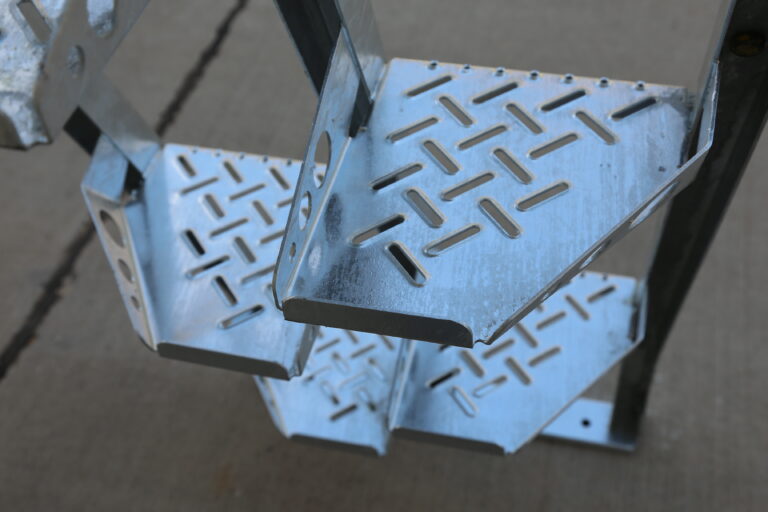
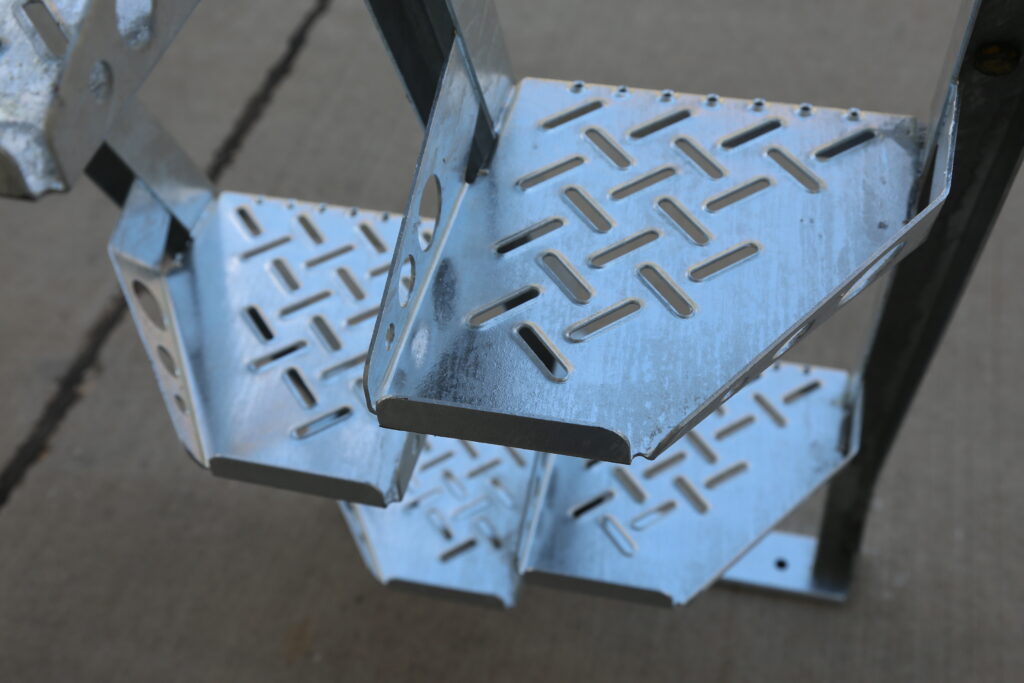
Known for its strength, durability, and versatility, steel is a popular choice for industrial stair construction. It offers excellent load-bearing capacity and can withstand harsh environmental conditions, making it suitable for heavy-duty applications. Steel is available in galvanized or powder-coated options.
Aluminum
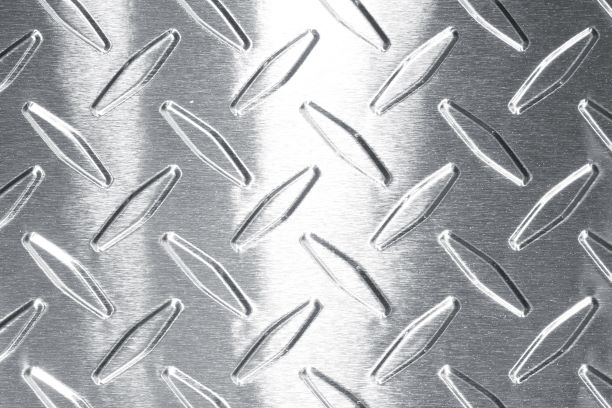
Lightweight yet durable, aluminum is another commonly used material for industrial stairs. It offers corrosion resistance and ease of fabrication, making it ideal for outdoor and marine environments where moisture and salt exposure are prevalent.
Stainless Steel
Because it is extremely sanitary, stainless steel is ideal for stair construction in food manufacturing, beverage, brewing, and distilling facilities. Stainless steel is easily cleaned and sterilized and does not affect the taste of food products.
Q2: What are the advantages of using steel for industrial stairs?
A: Steel offers several advantages for industrial stair construction, including:
Strength
Steel is renowned for its high strength-to-weight ratio, making it capable of supporting heavy loads without sacrificing structural integrity.
Durability
Steel is resistant to wear, corrosion, and impact, ensuring long-term performance in industrial environments.
Versatility
Steel is easily fabricated into various shapes and configurations to suit specific design requirements, offering flexibility in stair design.
Fire Resistance
Steel is inherently fire-resistant, providing added safety in the event of a fire outbreak in the facility.
Q3: When should aluminum be considered for industrial stair construction?
A: Aluminum is a suitable choice for industrial stair construction in the following scenarios:
Outdoor Applications
Aluminum is highly resistant to corrosion, making it ideal for outdoor stairways exposed to the elements.
Marine Environments
Due to its corrosion resistance, aluminum is a great choice for marine applications where saltwater exposure is prevalent.
Lightweight Requirements
Aluminum’s lightweight nature makes it easier to transport, handle, and install, making it a practical choice for projects with weight restrictions.
Q4: When should stainless steel be used for building industrial stairs?
A: Stainless steel is the best material for industrial stair construction in the following situations:
Sanitary Properties
When sanitary conditions are needed for food or beverage processing, stainless steel is the best choice.
Durability
Stainless steel is less malleable and stronger than powder-coated carbon steel. Stainless steel has one of the longest lifespans of any metal alloy.
Environmental Issues
Stainless steel is able to withstand both high and low temperatures, varying from cold storage areas to hot outdoor environments. Stainless steel holds up well in sunlight and humid conditions.
Q6: How do I choose the right material for my industrial stair project?
A: When selecting a material for your industrial stair project, consider the following factors:
Functional Requirements
Evaluate the specific requirements of your industrial application, including load-bearing capacity, environmental conditions, and safety regulations.
Budget
Determine your budget constraints and weigh the cost of materials, installation, and maintenance over the lifespan of the stairs.
Aesthetics
Consider the aesthetic appeal of different materials and how they complement the overall design and ambiance of your industrial facility.
Long-Term Durability
Assess the durability and longevity of each material option, taking into account factors such as corrosion resistance, maintenance requirements, and expected lifespan.
Conclusion
Choosing the right material for industrial stairs is a critical decision that impacts safety, performance, and cost-effectiveness. By understanding the characteristics, advantages, and applications of various materials, industrial facility managers and designers can make informed choices that meet the specific needs of their projects. Whether it’s the strength of steel, the corrosion resistance of aluminum or the sanitary element of stainless steel, each material offers unique benefits for industrial stair construction. By considering factors such as functional requirements, budget, aesthetics, and long-term durability, you can select the optimal material to ensure the success of your industrial stair project.